
*CLICK HERE TO DOWNLOAD A PDF VERSION OF THIS PAGE.
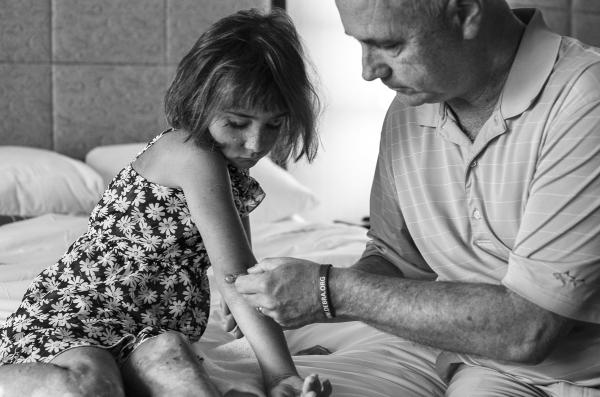
Blisters are a common feature in most forms of Epidermolysis Bullosa (EB), and managing them often becomes a part of daily care.
The following recommendations outline commonly used methods for caring for EB blisters. These guidelines are drawn from multiple clinical and community sources and are intended to support care across all forms of EB. Because needs vary, families and clinicians should use discretion and adapt these methods based on the individual’s symptoms and response.
Step-to-Step Procedure to Lancing Blisters
1. Wash hands → assemble supplies → wear gloves. Sterile needles, lancets, or 11 blade should be used to lance tense blisters dime size or larger (*do not lance blisters in the mouth or near the eyes*).
2. Gently push the fluid to one corner of the blister.
3. Prick 1 or 2 holes on the raised side of the blister (not the top). The hole should be big enough to drain the fluid.
4. Gently drain the fluid using gauze or a Q-tip to push the fluid toward the slit in the blister, with the help of gravity. Another piece of gauze can be used to soak up the liquid from the blister. Liquid may be clear, cloudy, or blood.
5. Keep roof of blister intact (do not remove).
6. May use lancet on more than one blister, if there are no signs of infection indicated by white or cloudy drainage.
7. Select a non-adherent dressing (bandage) larger than the wound → lightly coat the patient facing side of the dressing with ointment or emollient to prevent sticking → apply dressing to area → use rolled gauze and retainer net to secure dressing.
🚫 NO ADHESIVE TAPE OR REGULAR BANDAIDS.
More Guides
Guidance for Adults with EB and their Carers
Healthy Body and Skin BookletA quick-reference guide on the key aspects of skin and wound care in EB.
Clinical Practice GuidelinesInternational consensus best practice guidelines skin and wound care in epidermolysis bullosa.
Related Resources
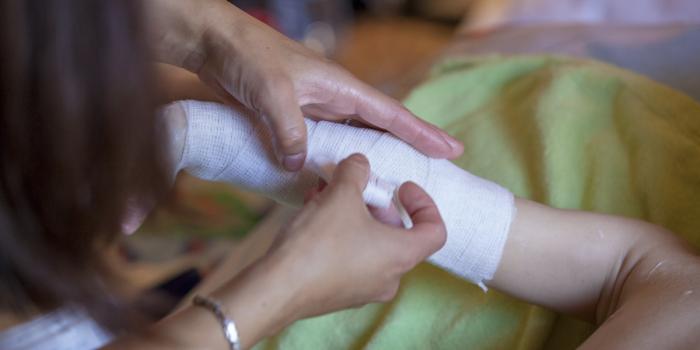 Clinical Best Practice Guidelines for Skin and Wound Care in EB
CPGs are recommendations intended to optimize patient care, that are informed by a systemic review of evidence and an assessment of the benefits and harms of alternative care options.
Learn More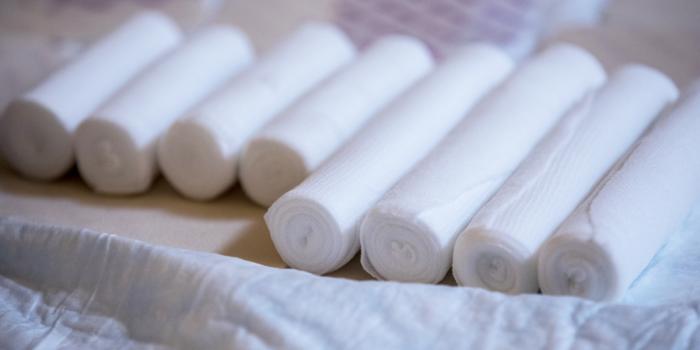 Wound Care Distribution Program
Receive wound care supplies free of charge during times of need.
Learn More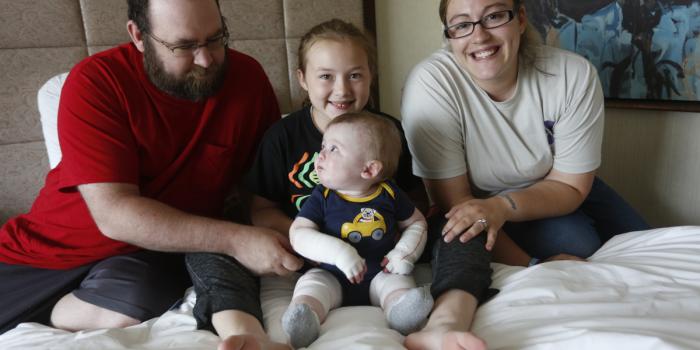 EB Nurse Educator Program
Our EB Nurse Educator is available to provide sound advice for those with and caring for someone with EB.
Learn More*Please note that all medical information given by debra of America is for informational purposes only. Our information is not intended to substitute the care and guidance given by a qualified physician. All regimens of care should be discussed with the patient's doctor. Always check with your physician prior to starting any medications or treatment regimens.